
The digital landscape evolves rapidly. User experience (UX) and user interface (UI) design are critical differentiators. Leaders shaping digital products in 2026 face new demands.
Mastering inclusive and ethical practices is paramount. This guide transforms your approach to Design Ui web design & ux 2026. We move beyond mere aesthetics.
Our goal is creating impactful, responsible digital experiences. We empower CTOs, product managers, and marketing directors. Build interfaces that resonate with every user, fostering trust and driving sustainable growth.
The Imperative of Inclusive Design in Modern UX

Inclusive design is no longer optional. It is a fundamental requirement for modern digital products. Ignoring accessibility alienates significant user segments.
Legal frameworks like the Americans with Disabilities Act (ADA) and the European Accessibility Act mandate compliance. Moreover, ethical considerations demand equal access for all. Businesses also gain competitive advantages.
An accessible product reaches a wider market. It enhances brand reputation and fosters loyalty. Therefore, shift from mere compliance to making inclusivity a core design philosophy.
Understanding WCAG Standards and Beyond
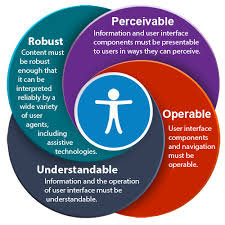
The Web Content Accessibility Guidelines (WCAG) provide a robust framework. They outline principles for perceivable, operable, understandable, and robust content. Adhering to WCAG 2.1 or 2.2 standards is a starting point.
However, true inclusivity extends beyond checklists. It requires an empathy-driven design approach. Understand diverse user needs, not just technical specifications.
For instance, consider users relying on screen readers. Ensure proper semantic HTML. Keyboard navigation is another critical aspect. All interactive elements must be accessible via keyboard alone.
Designing for Diverse Abilities: Practical Strategies
Implement high color contrast ratios. This benefits users with visual impairments. Use clear, legible font sizes and typefaces. Provide sufficient line spacing for readability.
Always include alternative text for images. Screen readers vocalize this text, conveying visual information. Ensure form fields have clear labels and instructions. Avoid placeholder text as the sole label.
Focus states for interactive elements are crucial. They indicate where a user is navigating. Utilize ARIA attributes strategically. These enhance semantic meaning for assistive technologies.
Practical Takeaway: Conduct regular accessibility audits. Use tools like Lighthouse or Axe. More importantly, involve users with disabilities in testing. Their insights are invaluable for truly inclusive design.
Ethical Considerations in UI/UX: Building Trust and Transparency
Design decisions carry significant ethical weight. Designers wield power over user behavior and data. This power demands responsibility.
Unethical practices erode user trust. They damage brand integrity long-term. Prioritize user well-being over short-term metrics or manipulative tactics. This builds a foundation of transparency.
Ethical design fosters sustainable user relationships. It aligns with responsible business practices. Ultimately, it strengthens your digital presence.
Combating Dark Patterns and Manipulative Design
Dark patterns are UI tricks. They intentionally mislead users into unintended actions. Examples include forced continuity for subscriptions or hidden costs at checkout.
These tactics may boost conversion rates temporarily. However, they severely damage user trust and brand loyalty. Users feel deceived and exploited. They often abandon the product.
Ethical alternatives exist. Use clear, unambiguous language. Provide transparent choices and easy opt-out options. Prioritize user control over covert manipulation. The FTC actively pursues companies employing deceptive practices. This underscores the legal and reputational risks.
Data Privacy and User Consent: A Design Perspective
Data privacy is a core ethical imperative. Regulations like GDPR and CCPA enforce strict data handling rules. Designers play a key role in compliance.
Design clear, user-friendly consent mechanisms. Avoid vague language or pre-checked boxes. Users must understand what data is collected. They need to know how it will be used.
Offer granular control over data sharing. Present privacy policies in easily digestible formats. Layered privacy notices help. A brief summary links to detailed information. Transparency builds trust. It respects user autonomy.
Practical Takeaway: Integrate privacy-by-design principles. Make ethical considerations a mandatory part of every design review. Empower users with clear choices and control over their data.
Integrating Sustainability into UI/UX Practices
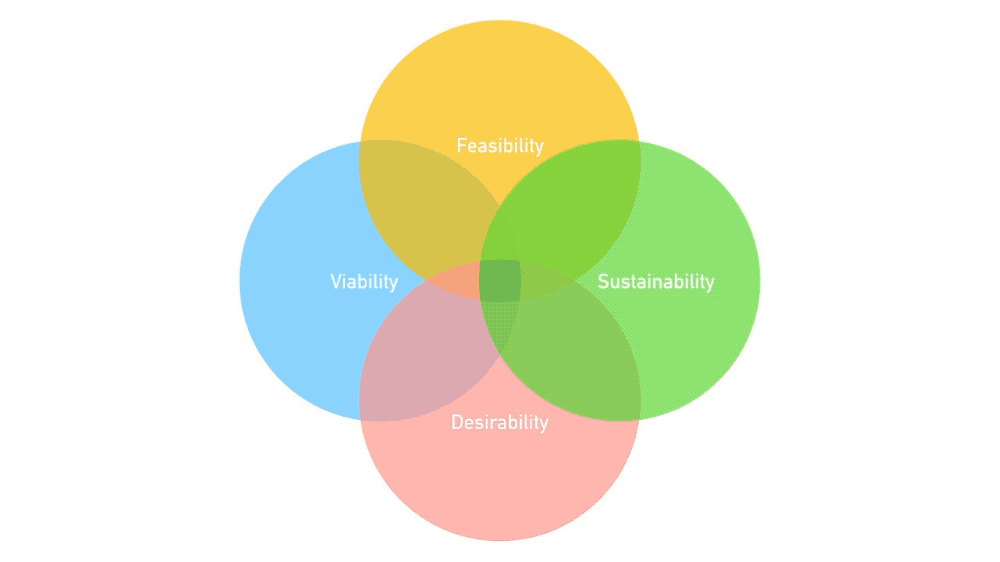
Digital products have an environmental footprint. Data centers consume vast energy. Inefficient code and heavy assets contribute to this. Sustainable UI/UX practices address this impact.
Green UX aims to reduce the digital carbon footprint. This approach is not just environmentally responsible. It also offers competitive advantages. Efficient designs often perform better. They cost less to maintain.
Embrace sustainability as a core design principle. It aligns with growing consumer and regulatory expectations. Position your brand as environmentally conscious. This resonates with modern audiences.
Green UX: Reducing Digital Carbon Footprint
Optimize all digital assets. Compress images and videos without quality loss. Use efficient code frameworks and minimal libraries. Reduce server requests where possible.
Implement dark modes. OLED screens, for example, consume less energy displaying dark pixels. Consider server-side optimizations. Choose green hosting providers powered by renewable energy. This significantly reduces environmental impact.
Measure your website’s carbon footprint. Tools like Website Carbon Calculator provide insights. Aim for lower energy consumption. Every byte transferred and processed contributes. Minimize unnecessary animations or heavy scripts.
Longevity and Resource Efficiency in Design
Design for maintainability and scalability. A well-structured, modular design system reduces future redesign needs. This saves development resources and energy over time.
Embrace timeless design principles. Avoid fleeting trends that necessitate frequent overhauls. Focus on functionality, clarity, and enduring aesthetics. This prolongs product relevance.
Resource efficiency extends to human resources. A clear design system reduces onboarding time. It streamlines collaboration. This optimizes overall project efficiency. It minimizes waste in the design and development cycle.
Practical Takeaway: Conduct a “digital waste audit.” Identify areas for optimization. Prioritize efficient coding practices. Advocate for green hosting solutions within your organization.
Implementing Ethical and Accessible Design Workflows
Integrating ethical and accessible design is a process. It requires more than good intentions. It demands systematic inclusion throughout the design lifecycle. Make it a team responsibility, not an afterthought.
From initial concept to final deployment, these principles must guide every decision. Tools and methodologies can support this integration. For Design Ui web design & ux 2026, integrated ethical practices are non-negotiable. They define leading digital products.
Establish clear guidelines and training. Foster a culture of continuous learning. Ensure every team member understands their role in creating inclusive and ethical experiences.
User Research with an Inclusive Lens
Expand your user research demographics. Recruit participants with diverse abilities and backgrounds. Their perspectives are crucial for identifying barriers.
Conduct accessibility audits early and often. Expert reviews can pinpoint common issues. Usability testing should include individuals using assistive technologies. Observe their interactions firsthand.
Gather qualitative feedback on accessibility. Ask specific questions about ease of use. This feedback helps uncover hidden pain points. It ensures solutions are truly effective for everyone.
Design System for Ethical and Accessible UI
Build accessibility into your design system from inception. Define accessible color palettes and typography. Ensure all components meet WCAG standards. Document accessibility best practices for each component.
A robust design system standardizes inclusive patterns. It prevents individual designers from making inaccessible choices. Tools like Storybook can integrate accessibility testing. Figma plugins can check contrast ratios. This streamlines the process.
Provide clear guidelines for content creators. Ensure they understand image alt text requirements. Educate them on semantic headings. A shared understanding across teams is vital.
Practical Takeaway: Establish an accessibility lead or champion. Embed accessibility and ethics into your definition of “done.” Conduct regular training sessions for all design and development teams.
The Future of UX/UI: Beyond Compliance, Towards Innovation
The landscape of UX/UI design is dynamic. Compliance is merely the baseline. The future demands innovation in accessibility and ethics. Emerging technologies offer new possibilities.
Artificial intelligence (AI) can enhance accessibility tools. It can personalize experiences for diverse needs. Ethical AI development is crucial here. It must avoid bias and ensure fairness.
Designers must continuously adapt. Stay informed about new regulations and technologies. The role of the designer is evolving. It moves towards a more holistic, responsible approach.
Personalized ethical experiences will become standard. Users will expect transparency and control. They will demand products that respect their values. This presents opportunities for truly innovative solutions.
Consider the impact of augmented reality (AR) and virtual reality (VR). These immersive experiences introduce new accessibility challenges. They also offer novel ways to create inclusive interactions. Proactive design is essential.
Practical Takeaway: Invest in R&D for ethical AI and emerging tech accessibility. Foster a culture of continuous learning. Champion innovation that prioritizes human well-being and digital equity.
Conclusion: Leading with Intent in Digital Design
Mastering UX/UI design means embracing accessibility and ethics. These principles are not optional add-ons. They are foundational to creating superior digital products. They drive genuine user engagement and trust.
For CTOs, product managers, and marketing directors, this means leading with intent. Integrate these values into your strategy. Prioritize inclusive practices from concept to launch. This approach defines success in Design Ui web design & ux 2026.
EKSNEKS empowers your team to build digital experiences that are not just beautiful, but also universally accessible, ethically sound, and sustainable. Invest in design that reflects your commitment to all users. Build a legacy of responsible innovation.
Frequently Asked Questions (FAQ)
What is the business case for investing in accessible UX/UI design?
Investing in accessible UX/UI design expands your market reach significantly. It includes users with disabilities, representing a substantial demographic. It also improves SEO, enhances brand reputation, and reduces legal risks. Accessible products often have better usability for all users, leading to higher satisfaction and loyalty.
How can we identify dark patterns in our current UI/UX?
Start by auditing your user flows critically. Look for instances where users might be tricked into actions they didn’t intend. Examine subscription processes, data sharing defaults, and checkout flows. Ask if choices are clear and if opt-outs are easy. User feedback sessions can also reveal perceived manipulation.
What are practical steps to reduce the environmental impact of our digital products?
Focus on optimizing performance. Compress images, reduce code bloat, and minimize third-party scripts. Implement dark mode options. Choose green hosting providers that use renewable energy. Design for longevity to avoid frequent, resource-intensive redesigns. Regularly audit your digital carbon footprint.
How can we integrate ethical considerations throughout our design process?
Embed ethical guidelines into your design system. Conduct “ethical review” sessions alongside usability tests. Train your design and development teams on ethical principles. Appoint an ethics champion. Make privacy-by-design a core principle. Always prioritize user autonomy and transparency in decision-making.
What role does AI play in future accessible UX/UI design?
AI offers promising avenues for enhancing accessibility. It can personalize interfaces for individual needs. It can automate accessibility testing. AI can also power advanced assistive technologies. However, ethical AI development is crucial. Ensure fairness, transparency, and avoid algorithmic bias in its implementation for accessibility solutions.