



Introduction
A slow website is one of the fastest ways to lose potential customers, especially on mobile.
Google studies show that if a page takes longer than 3 seconds to load, most mobile visitors leave.
Recently, we worked with Akhiyat Driver Cars, a Moroccan car rental company to improve their mobile website speed. Here’s how we did it.
Step 1: Audit the Current Performance
Before making changes, we ran performance tests.
Results showed:
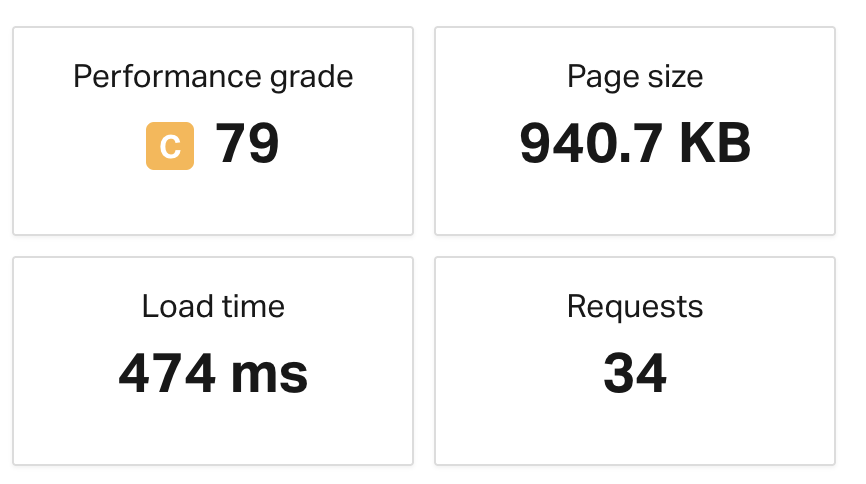
- Performance grade: 79
- Page size: 942 KB
- Requests: 34
- Load time: 658 ms
While the load time was decent, the performance grade showed room for improvement.
Step 2: Optimize Images
Large images are one of the biggest culprits in slowing down mobile sites.
We:
- Compressed images without quality loss
- Used WebP format for faster loading
- Implemented responsive image sizes
Step 3: Reduce and Combine Requests
Each request adds load time. We:
- Minimized CSS and JavaScript files
- Combined smaller scripts
- Deferred non-critical JavaScript
Step 4: Enable Browser Caching & GZIP Compression
Caching stores parts of the website on the user’s device, reducing repeat load times.
We also enabled GZIP compression to reduce file sizes before sending them to the browser.
Step 5: Test and Monitor
After optimization:
- Faster interaction for mobile users
- Reduced total requests
- Improved overall performance grade
Conclusion
Optimizing for mobile speed isn’t about cutting features — it’s about delivering the same great experience faster.
If your website is slow on mobile, you could be losing leads without realizing it.